
)
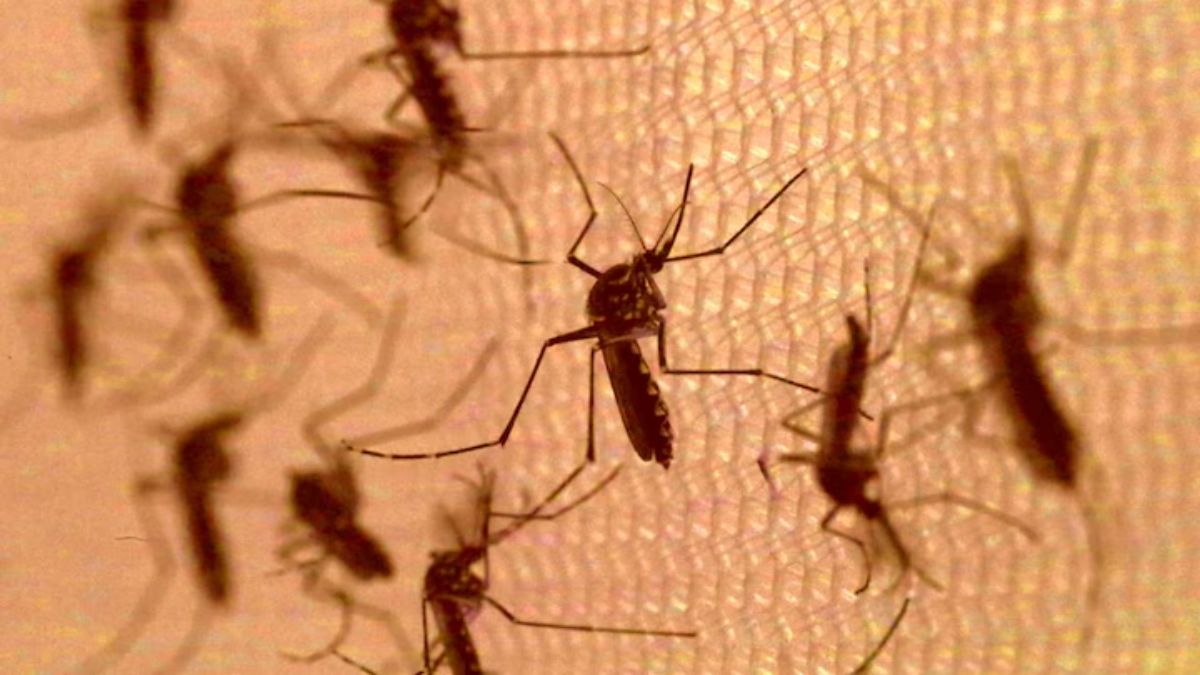
Malaria, an ancient disease traced back to Egyptian mummies, remains a deadly global threat despite medical advancements. Unlike common perception, malaria is caused by Plasmodium parasites rather than viruses or bacteria, transmitted exclusively by female Anopheles mosquitoes during blood-feeding. Firstpost brings out facts related to the disease.
read more
Malaria remains a persistent global health threat, yet many misconceptions surround this ancient disease. Dr. Meenakshi Jain, Senior Director of Internal Medicine at Max Super Speciality Hospital, Patparganj, shares 10 lesser-known facts about malaria—from its historical roots in Egyptian mummies to modern challenges like drug resistance.
The disease’s flu-like symptoms often lead to misdiagnosis, particularly dangerous in endemic areas where it claims a child’s life every minute, primarily in sub-Saharan Africa. Medical experts stress that preventive measures including insecticide-treated nets and environmental management of stagnant water, remain vital tools in malaria control efforts worldwide.
An ancient scourge: Malaria’s millennia-long history
Malaria isn’t a modern illness. Archaeological evidence confirms its existence since ancient times, with parasite traces detected in Egyptian mummies. This persistent disease has influenced human migration patterns and even the fate of civilisations throughout history.
Parasitic origin: understanding Malaria’s true cause
Unlike common infections, malaria stems from Plasmodium parasites, not viruses or bacteria. Transmitted through mosquito bites, five distinct species infect humans, each presenting unique health challenges.
Gender-specific threat: The female Anopheles menace
Exclusively female Anopheles mosquitoes transmit malaria, requiring blood meals for egg development. This biological detail makes targeted mosquito control essential for prevention.
The great mimicker: Malaria’s deceptive symptoms
With fever, chills and headaches mirroring common viral infections, malaria often evades immediate diagnosis. Rapid testing becomes critical in endemic zones to prevent treatment delays.
Childhood’s silent killer: A minute-by-minute tragedy
The staggering reality: malaria claims a child’s life every 60 seconds, primarily in sub-Saharan Africa. This ongoing catastrophe persists despite available prevention and treatment methods.
Ripple effects: Malaria’s socioeconomic devastation
Beyond health impacts, malaria cripples education systems and local economies. Children miss school, adults lose workdays, and communities remain trapped in cycles of poverty.
Evolving enemy: The growing drug resistance crisis
Malaria parasites continue developing resistance to standard medications, necessitating urgent research into new treatment options to stay ahead of this adaptive threat.
Vaccine breakthrough: A new frontier in prevention
The RTS,S vaccine (Mosquirix) marks a historic milestone, offering partial protection as it rolls out across African nations, particularly benefiting vulnerable children.
Sleeping threat: Malaria’s dangerous recurrence
Plasmodium vivax and similar strains can lie dormant in the liver for months or years before reactivating, making long-term medical follow-up essential.
Prevention remains paramount
Basic measures – mosquito nets, repellents, and eliminating standing water – continue to be the most effective defences against malaria transmission.
Malaria represents more than a health crisis; it’s a complex global challenge requiring coordinated action. Through increased awareness, prompt treatment, and sustained innovation, humanity can work toward eliminating this persistent threat to global well-being.