
Survivors of the Skylight missile attack speak on life after the fire
Three days after they landed in Mumbai, the eight survivors of the Skylight missile attack are still trying to get home.
One has left, others are still waiting. The journey home remains incomplete.
When The Indian Express met them on the morning of March 19, some were still wearing the clothes they had jumped into the ocean in. Chapped skin, visible wounds, exhausted faces. One man’s leg was bandaged, another’s hands and stomach bore large cut marks still tender to the touch. They had no toothbrush, no soap, no lotion. Eight men, crowded into a paying guest accommodation in Belapur, Navi Mumbai, that they had found themselves at 9.30 at night, after hours of searching.

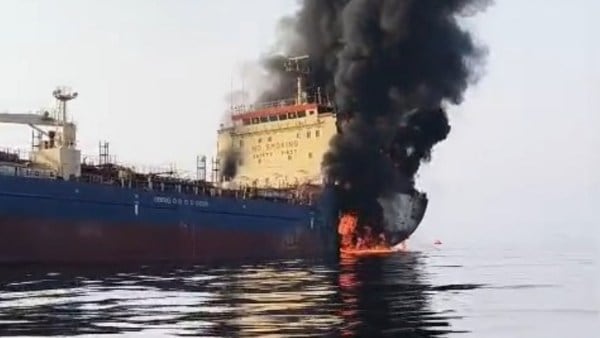
They had been back in India for less than 24 hours — and it had taken sixteen days to get here. The fire that followed the missile attack on their vessel on March 1 in the Strait of Hormuz had destroyed their passports, visas and identity documents, leaving them stranded at a guest room in Khasab Airport in Oman until emergency outpasses were arranged.
Young men from Rajasthan, Haryana, West Bengal, Andhra Pradesh and Puducherry, many in their twenties and on their first assignment at sea, they had landed in Mumbai on March 18 around 12.30 pm. They came back with almost nothing. No bags, no documents, no suitcases. A few carried cloth bags with an extra pair of clothes given by the agency in Oman. Their salaries had been credited, but without phones or ATM cards, they could not access their money. Among the eight, only three had working phones, passed around for brief, shared calls home.
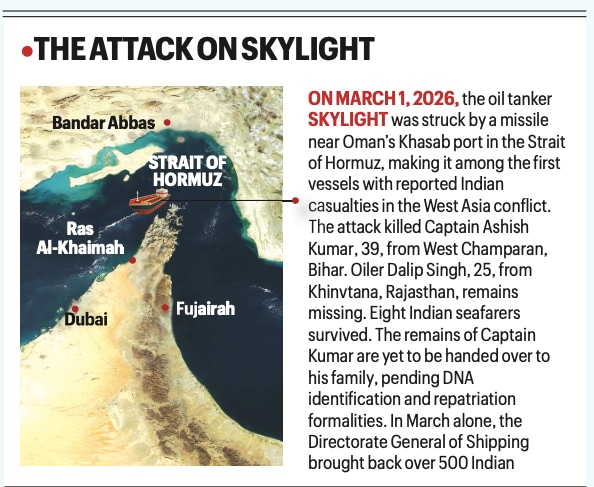
From the airport they were taken to a shipping office in Vashi to complete formalities, including signing documents they say they refused because they did not fully understand them. By evening they were dropped in Belapur without clarity on accommodation. Food too has been uncertain — with an ongoing LPG crisis affecting eateries, they struggled to find something as basic as roti.
On March 20, they took local trains to the Directorate General of Shipping office in Kanjurmarg, where they recorded their statements for three hours. Afterwards, the shipping agency told them to book their own tickets home, with a promise of reimbursement.
Story continues below this ad
They are eight young men who survived a near-death experience thousands of miles away in a war they had no part in, now making their way back in fragments, across the country. These are their stories:
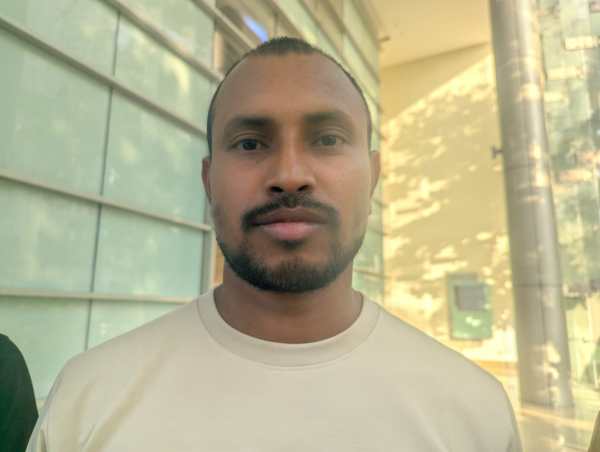 Abdur Rahaman Mondal (27)
Abdur Rahaman Mondal, 27, able seaman, Mirjapur village, Nadia district, West Bengal
For Abdur, being alive and going home on Eid feels like a second birth. The first in his family to travel abroad, he prepared for the defence services after his BA second year but could not get through, came to Mumbai for a six-month course, and joined sailing in 2024. After his midnight-to-6am shift on March 1, he was fast asleep when the ship jolted. “Cupboard, bed, everything moved violently and I was thrown off the bed. Within five seconds, another jolt, blackout, smoke, doors banging.” The missile had hit just below the accommodation area. Dalip, his fellow crew member who remains missing, was in the next room, completely on fire. “I screamed out his name but got no response.” After 45 minutes on a burning ship, they jumped into the sea and were rescued by an Omani military boat. His family has barred him forever from sailing. He is the only one among the eight who disagrees. “One bad experience cannot define my entire life.”
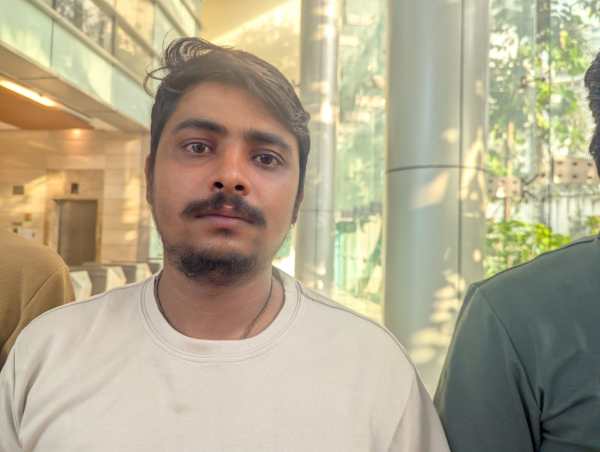 Bhumesh (23)
Bhumesh, 23, able seaman, Chhithroli village, Mahendragarh district, Haryana
Bhumesh was at the bridge on his morning shift, the navigation area where phones are not allowed, monitoring the VHF radio. He had been picking up news of attacks in Dubai, where the Skylight had previously been docked. “I thought we were so lucky to have moved from Dubai and parked in the Strait of Hormuz.” Within seconds of that thought, the first missile hit the engine room. “I was thrown at a distance, hit my head and my back. Before I could gather myself, within five seconds there was another attack and I was thrown in the opposite direction.” Crew members threw a rope from the escape door and helped him climb down. “We screamed for Dalip and the captain, but the accommodation and engine room were completely on fire. We had to jump into the water to survive.” A farmer’s son, he will not leave his family again. “The most expensive thing I lost are my documents. I don’t know how long it will take to restart life from scratch.”
 Eight men, crowded into a paying guest accommodation in Belapur, Navi Mumbai, that they had found themselves at 9.30 at night, after hours of searching.
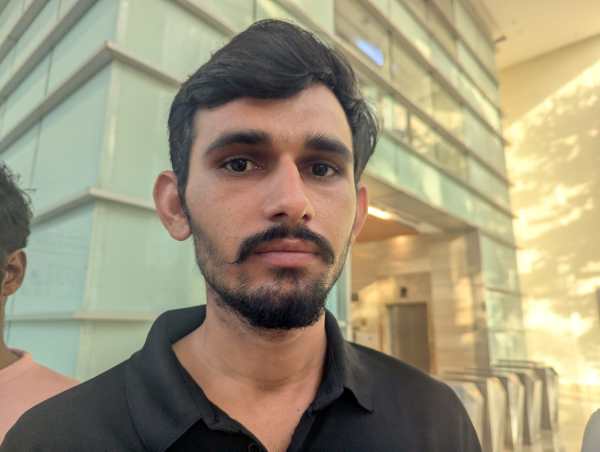 Sunil Puniya (26)
Sunil Puniya, 26, oiler, Bamna Kalan village, Rajasthan
Sunil cannot wait to get home. His younger daughter turned one on March 5, while he was stranded in Oman. His elder daughter turns four on March 24. He has missed one birthday and is racing to make the other. “I can’t wait to hug them tight, celebrate their birthdays, eat hot rotis and sabji with loads of ghee made by my mother and wife.” He is yet to get his train tickets confirmed. This was his first sailing job, one he had paid an agent lakhs to secure, money he does not expect to see again. Before this, he had worked in apparel manufacturing units in Gujarat and Maharashtra. “This job was our hope to pull us out of poverty and a chance at a better life. But it’s okay, I am alive and there’s no cost for that.” He was on his shift when the attack happened. Like the others, he lost everything, laptop, iPhone and documents worth over Rs 2 lakh. He will never sail again.
Story continues below this ad
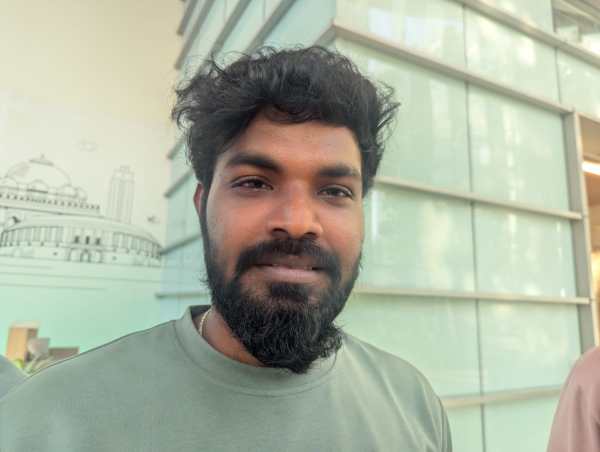 Pagalavan Haridas (30)
Pagalavan Haridas, 30, third engineer, Puducherry
Haridas has sailed four ships before, but nothing prepared him for March 1. “Never in my wildest dreams had I thought I would encounter such an experience in this life,” he said. Severely injured in his back, legs and hands, he was hospitalised for three days after the attack. In those moments on the burning ship, his mind went home. “I do not want to think about anything right now. Life is so fragile. We have seen death from so close. I thought I would die that morning. Visuals of my father with his fishing net in the sea, my mother making dosa for us… I thought I had died.” Before sailing, he worked in automobile workshops as a mechanic. Now he says he might go back to that, or become a fisherman like his father. Either way, he is done with shipping. “I can even work in a workshop, but I would never come back to shipping.” He wants, more than anything, a simple life with his loved ones.
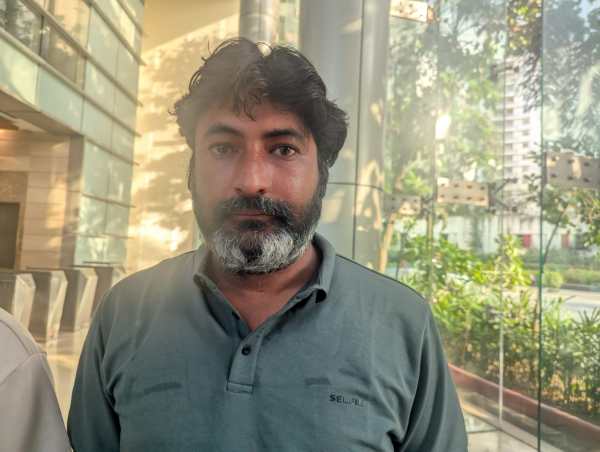 Pramod Kumar Yadav (38)
Pramod Kumar Yadav, 38, chief engineer, Alwar, Rajasthan
Pramod’s left leg is still bandaged. He cannot wear footwear on it. He is the oldest among the eight and the most senior in rank, but on March 1, rank meant nothing. “The port authority had told us to go to the Bravo anchorage for cleaning, which falls under the Strait of Hormuz. If we would have stayed at Alpha anchorage, where other fishing ships and cruise ships were parked, then maybe we wouldn’t have faced the attack at all.” He thinks often about the captain and Dalip. “The captain and Dalip were really nice people. I wish we had a chance to get to know each other better.” The night before the attack, the crew had eaten together, chicken, rice, dal and curry. That was the last meal they shared. “I just want to be home with my family.” His train tickets are confirmed. Of all eight, he is closest to leaving.
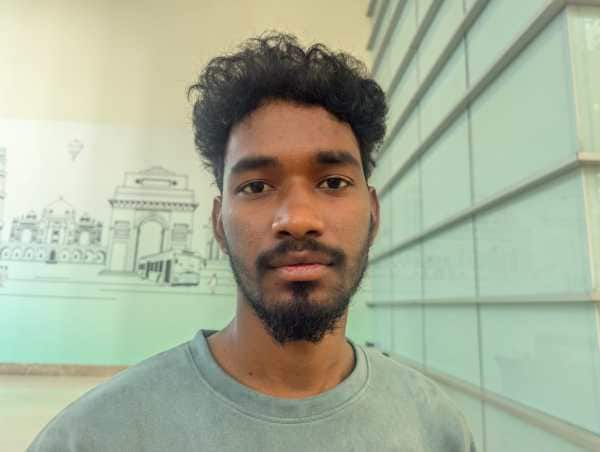 Srinu Donkani (23)
Srinu Donkani, 23, oiler, Vishakhapatnam, Andhra Pradesh
Srinu shows his hands and stomach as he speaks. Large cut marks, skin still swollen, tender to the touch. “My injuries are still visible. They hurt if something touches or brushes them. I fell and tripped multiple times trying to escape the fire and falling items.” He was resting in his room when the attack happened, his shift having just ended. He was hospitalised for three days after the attack. The physical pain has been replaced, or joined, by something harder to treat. “My body ached and I still cannot sleep as the distressing visuals haunt me.” This was his second time sailing. An only child of daily wage workers in Vishakhapatnam, he had boarded the Skylight with big dreams, hoping to earn enough to pull his parents out of poverty. Those dreams have not survived the fire. He does not want to go back to any kind of ship.
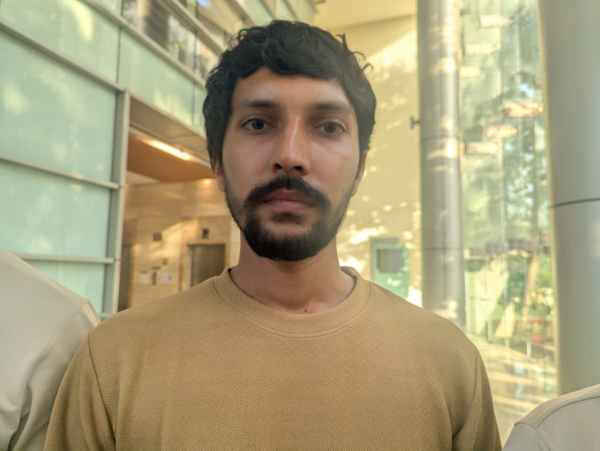 Kaushal Sorout (27)
Kaushal Sorout, 27, Hodal, Haryana
When Kaushal jumped into the ocean, he thought he would die. “I don’t know how to swim, like many of the other crew members. Even though I was wearing a life jacket, I thought I would drown.” His slippers, his phone, everything went with him into the sea. They were rescued by the Omani army in a speedboat. It was his second time sailing. Before jumping, he had knocked on Abdur’s door to wake him. “Nothing seems as dangerous as seeing a war where missiles are released on people and ships directly. It is bone-chilling. I still have nightmares of that morning.” The only child of farmer parents in Hodal, Kaushal says working abroad had brought pride to his family. “They do not know the hard work it involves and the distressing moments when the weather is bad.” That pride has now given way to relief at being alive. He will take up any odd job when he gets home. He will not sail again.
Story continues below this ad
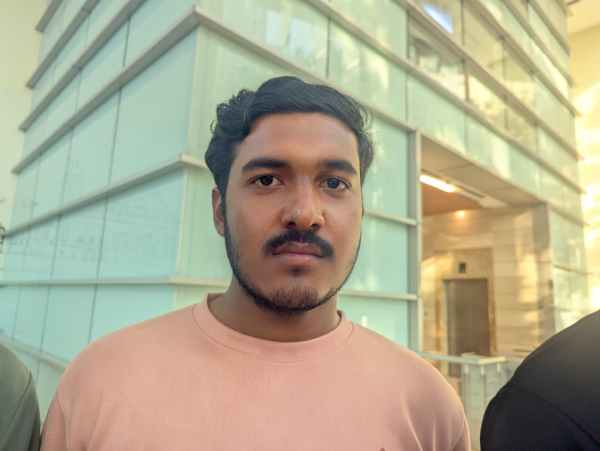 Bikram Ghosh (23)
Bikram Ghosh, 23, chief cook, Tikarkhanji village, Katwa, Purba Bardhaman district, West Bengal
Bikram is the reason the other seven have been able to survive these past two days in Mumbai. The only one among the group with a working phone and access to mobile banking, he has been quietly paying for everything since they landed, the paying guest accommodation, toothbrushes, soap, meals, the smallest of daily essentials. The shipping agent has promised to reimburse him. This was his fourth time sailing. He had been on the Skylight for six months, joining from Khorfakkan port in UAE on October 18, 2025. After completing discharging in Iraq, the vessel had waited at Dubai anchorage for over 20 days before moving to Bravo anchorage in Oman for cargo cleaning, with twelve Iranian crew brought in for the work. “The vessel was parked there from February 22 to March 1.” It was at that anchorage, in the Strait of Hormuz, that the missile struck. After the attack, he did not tell his father, who works in a grocery store, what had really happened, saying only that the ship was not sailing and he was resting.